Poker in the Strait of Hormuz - who is bluffing?
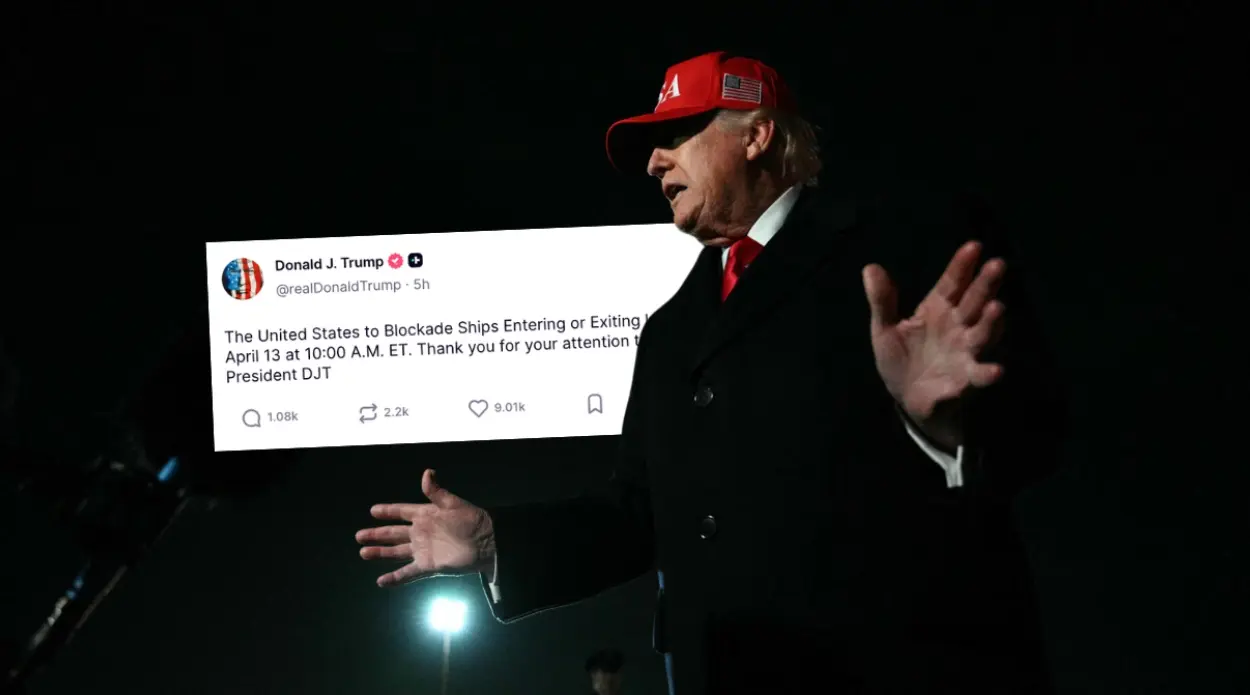
On Monday at 10:00 a.m. (4:00 p.m. Polish time) the world officially entered a new phase of war in the Middle East.
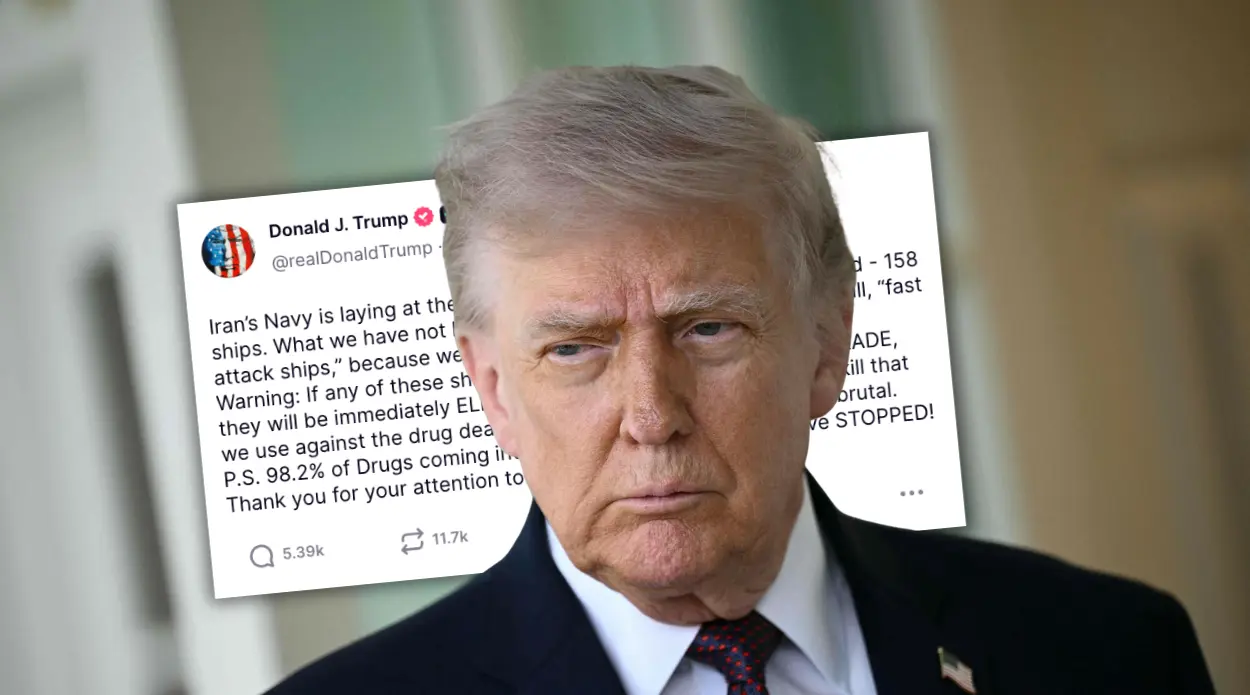
Donald Trump announced a blockade of the Strait of Hormuz, aimed at completely cutting Iran off from revenue from oil exports.
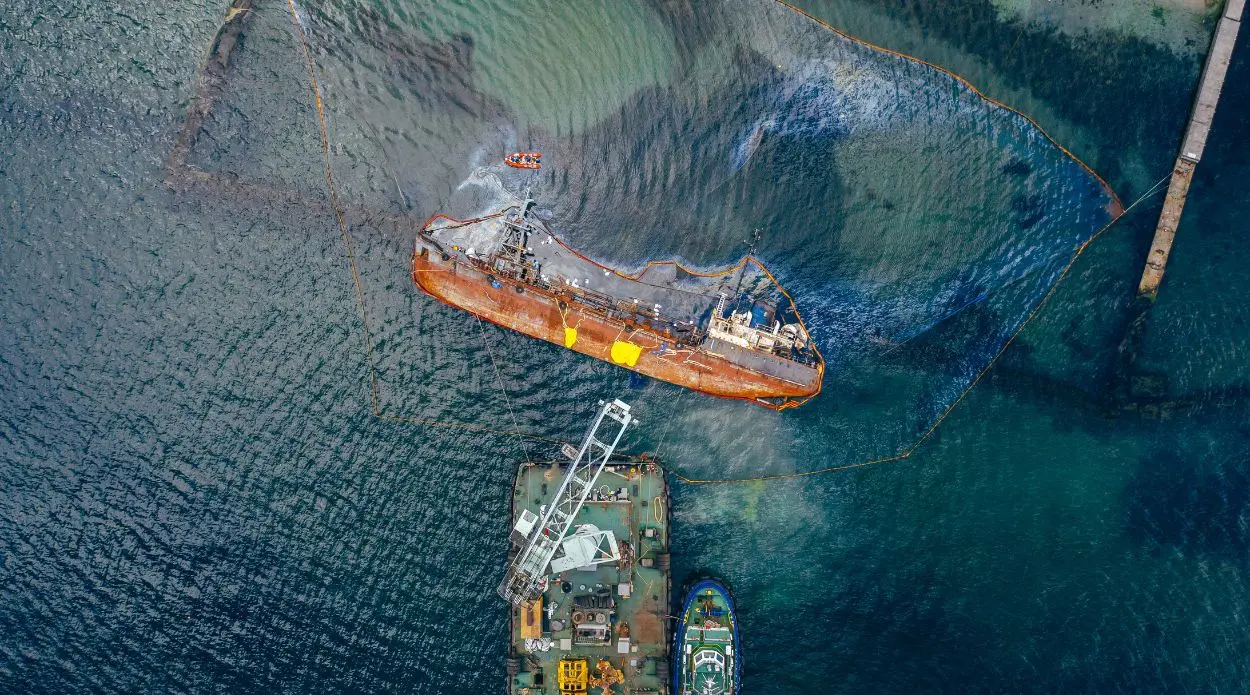
There was no need to wait long to test the blockade’s tightness. Rich Starry, a mid‑range tanker (formerly known as Full Star), blacklisted by the U.S. in 2023, made a second attempt within a day to leave the Persian Gulf.
The floating unit under the flag of Malawi (an African landlocked country) officially ignores U.S. warnings.
Rich Starry is linked to Chinese entities such as Shanghai Xuanrun Shpg. Co. Ltd, giving the incident the hallmarks of a great power conflict.
Interestingly, the ship announced a Chinese owner and crew, a classic defensive mechanism intended to deter the US Navy from forcibly seizing the vessel.
At the time of writing, the tanker Rich Starry remains in the strait. At the same time another tanker, Elpis, entered the Gulf of Oman after a brief stop at an Iranian port. The situation is at a stalemate, paralyzing one of the world’s most important trade routes.
Moreover, Asian exchanges continue to watch the U.S. reports with unease.
It is not surprising, as many Asian countries are fully dependent on oil supplies from the Middle East.
Among these countries Japan stands out, being extremely dependent on Gulf of Persian oil. As much as 95% of the oil imported into Japan comes from the Middle East region.
Closing the Strait of Hormuz means a powerful economic blow, which combined with a record‑low yen, signals serious problems.
The Land of the Rising Sun is acting preemptively, releasing its oil reserves. If the situation in Iran and neighboring states continues to worsen, Japan faces a huge crisis.

Source: VesselFinder.
See also: Impasse in the Middle East Hits Fuel Prices. Will Prices Drop to $40 a Barrel Soon?
Oil Prices on a Rollercoaster
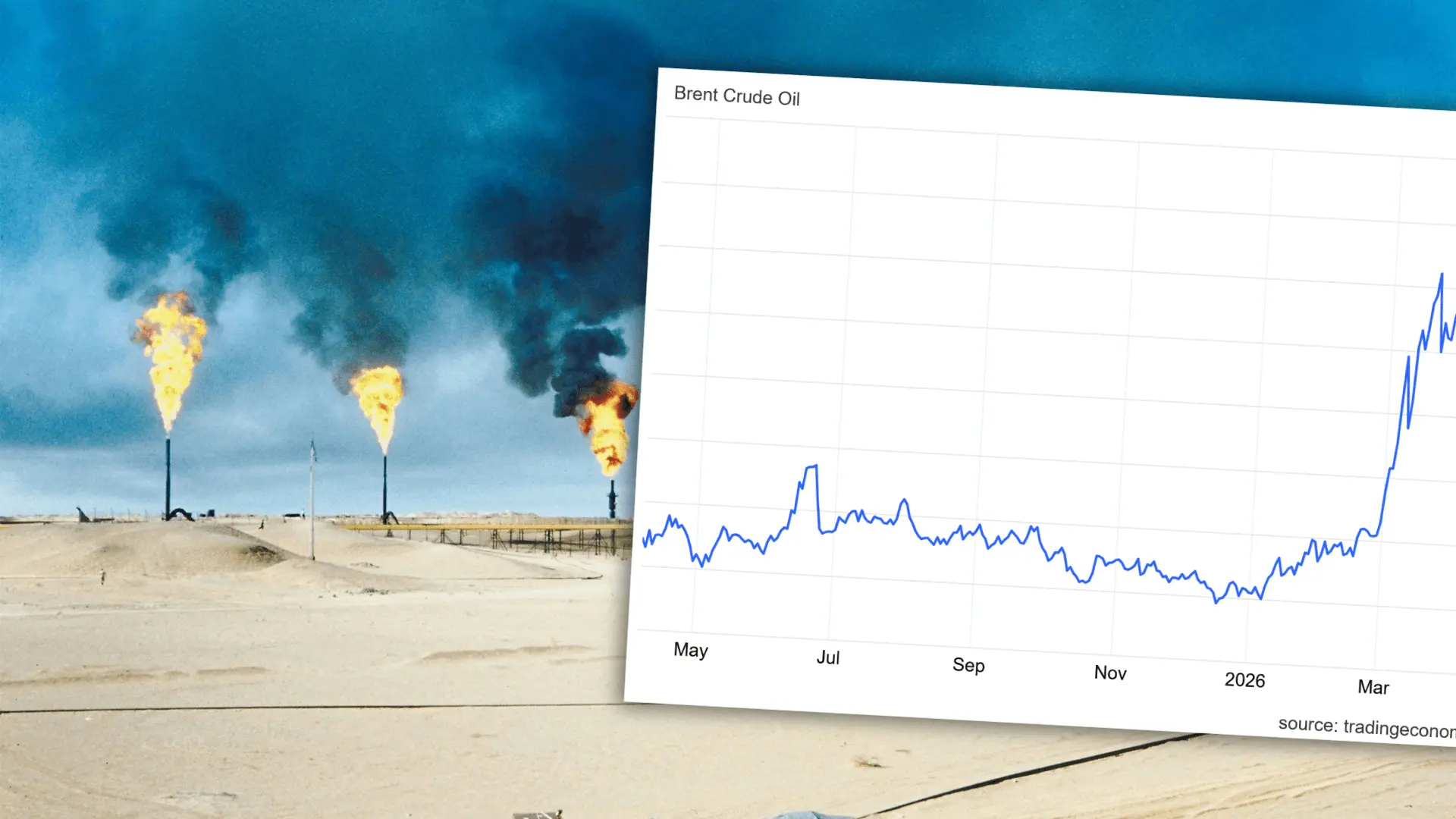
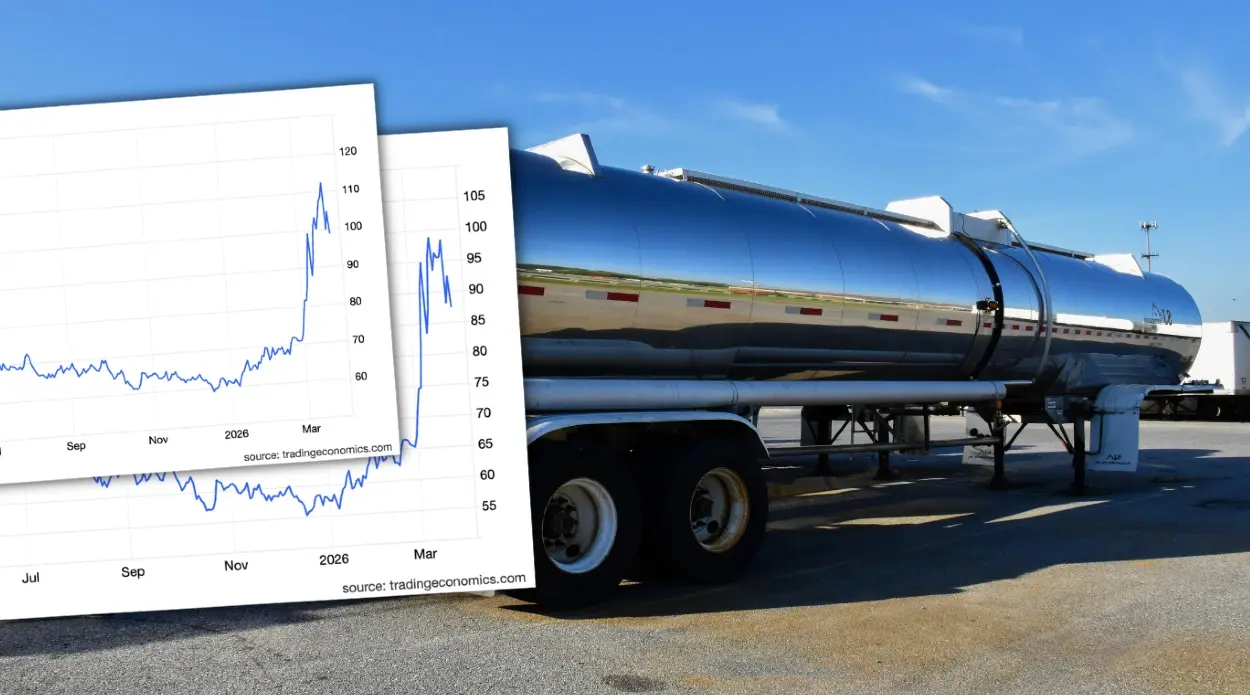
Financial and commodity markets reacted to these events with great panic. Just yesterday, when the first reports of the blockade hit news headlines, oil prices shot up vertically, reaching $113 a barrel.
Energy traders from Asia to the Middle East tried to gauge the consequences of U.S. restrictions, fearing a total cut of about 20% of global oil supplies that flow through the Strait of Hormuz.
However, the panic did not last long, as by this morning the Brent futures contract price had plunged to around $98.
Chart. Brent futures contract price

Source: Trading Economics
The WTI futures contract price fell even lower, to about $97.
A sudden reversal could be caused by leaks about a possible resumption of talks between Washington and Tehran. Despite this, investor nervousness remains high.
Chart. WTI (West Texas Intermediate) futures contract price

Source: Trading Economics
See also: Fuel Prices in Poland Will Rise, Shortages at Stations? Expert: “It won’t be a one‑off sharp move that will affect drivers.”