Gold price: Historically disastrous March
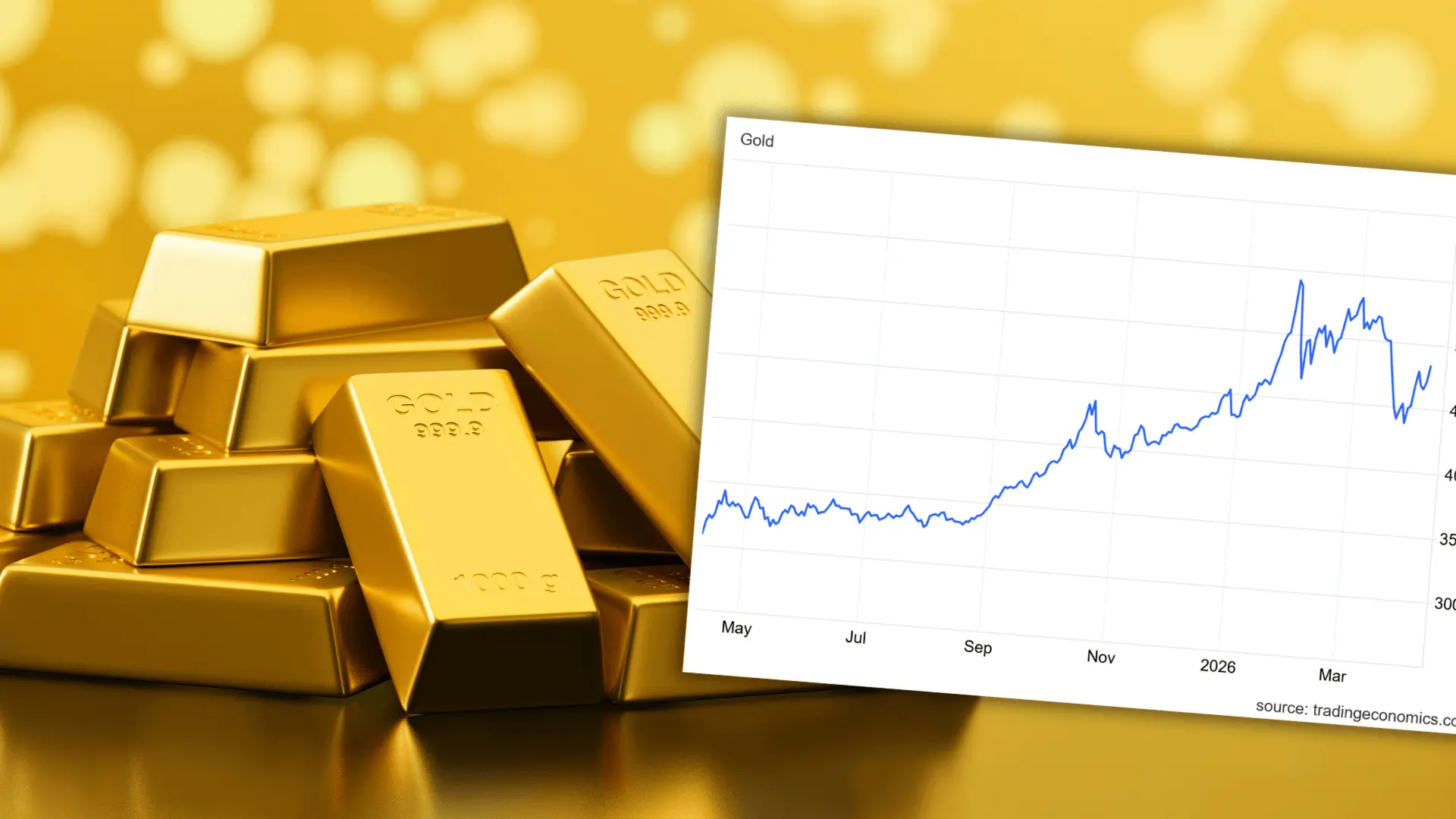
The fact is that this safe haven, which according to simple logic should profit from war, lost more than 17% in value during almost the entire month of its duration. That is such a drastic decline for this precious metal that if we wanted to find the previous month in which it performed so poorly, we would have to flip through the calendar. We would stop at 2013!
In the pages of the Wall Street Journal we read that a drop of $700 per ounce by Monday, March 30 translates into the worst month for gold in history in dollar terms, and in percentage terms the worst since the 2008 crisis mentioned earlier. Moreover, as UBS analysts noted in their recent report, the five‑day period of declines from March 17 to March 23 was the largest percentage price drop for gold over such a time span in more than 40 years.
Gold price: Where did the declines come from?
Adrian Ash from Bullion Vault already at the beginning of the whole commotion explained the behavior of gold prices by saying that in moments of broader market panic investors often liquidate their gold positions to cover losses from other depreciating positions at that time. And panic can definitely be talked about, because S&P 500 has fallen 7% since the start of the war, and the Fear and Greed index compiled by CNN is at 9, indicating extreme fear. It has never been this low this year.
In such situations investors close primarily those positions that have performed exceptionally well in recent months, and gold can definitely be counted among them. After all, it rose by more than 60% throughout 2025! And for just under a month in January it gained another 25%. Aaron Black, one of the Wall Street Journal finance editors, adds that after a clear rise investors simply needed a concrete pretext to finally realize their gains, and the outbreak of war in the Middle East and the associated market instability turned out to be a great opportunity. The same expert points out another factor that has pulled gold down for the last month.
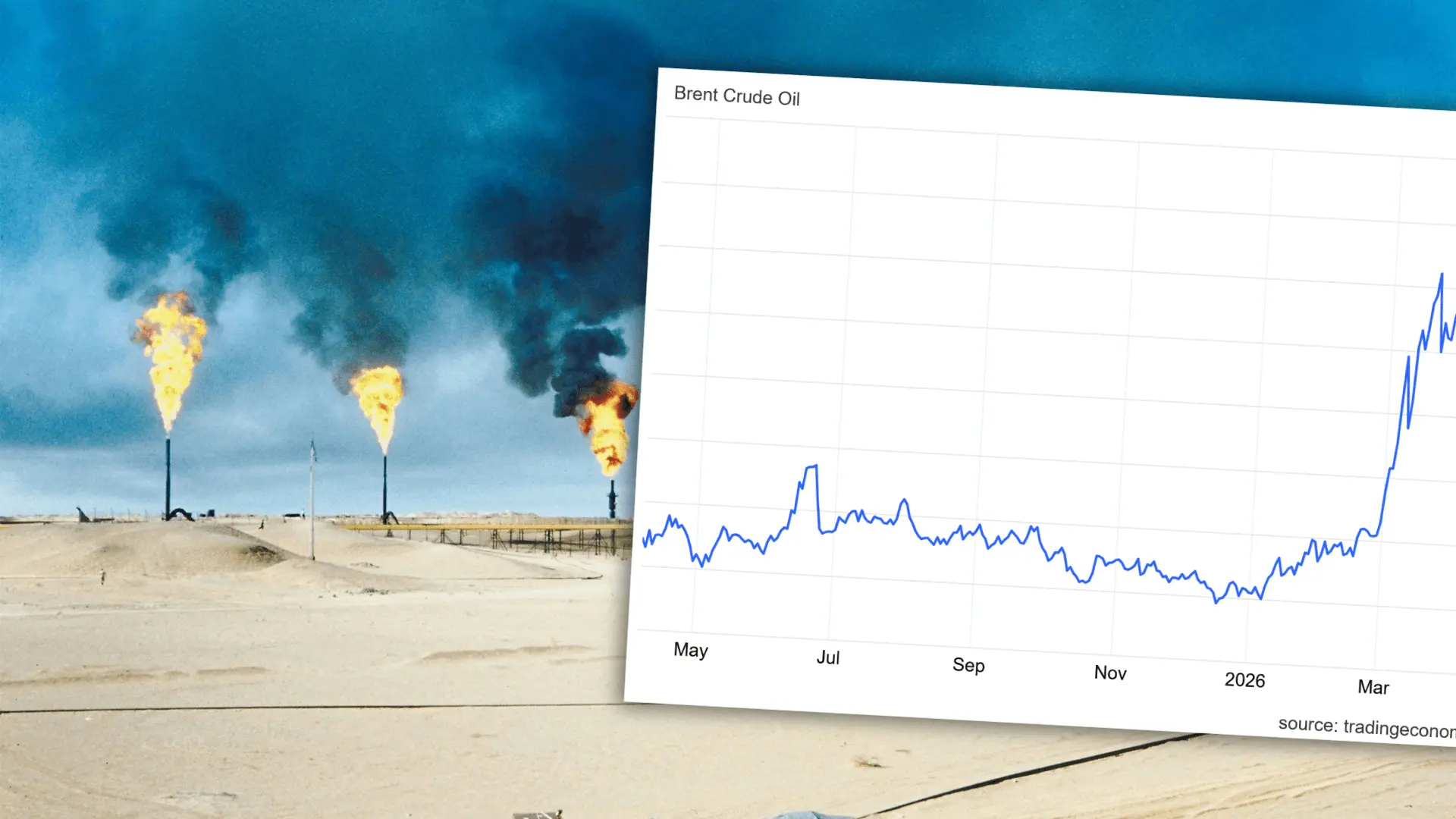
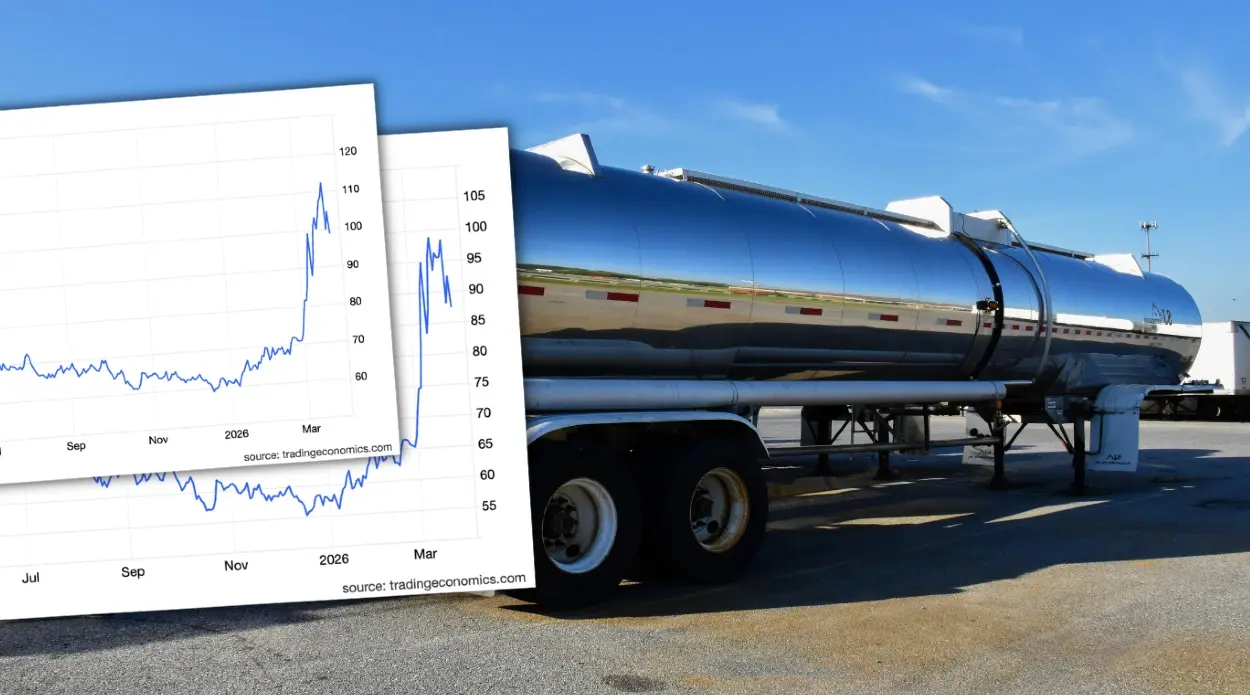
As he notes, the conflict has dramatically pushed up oil prices. Recall that Brent crude has risen almost 50% since the start of the war, and at peak moments it was even higher. This, in turn, has led to a significant increase in inflationary pressure. And this domino effect causes market expectations of interest rates to change clearly. Even before the war broke out, the market was almost convinced that the Federal Reserve would cut rates this year.
Now, however, precisely because of this inflationary pressure, it may not have the room for it, and Aaron Black does not rule out even hikes. Higher rates, in turn, strongly affect the dollar, so that in a way he turns out to be the safe haven that gains in the current situation, not gold. His advantage is also its liquidity, which investors are currently looking for. Black also adds that rising yields on U.S. Treasury bonds work against gold, which also makes them look more attractive than the metal.
The current situation is also not some exception that has never happened before. In his Bloomberg piece, Marcus Ashworth, former head of market strategy at Haitong Securities, mentions that gold behaved similarly during the 2008 financial crisis and in March 2020, at the start of the pandemic‑induced crisis.
Gold price rebounded at the end of March. Why?
Let’s focus now on those recent rises. Since earlier all the mentioned factors pulled gold down, what changed at the end of March that caused gold to partially break out of the downtrend? Just as war and its escalation weakened gold, one could have thought that its eventual end would again support the metal. And indeed, at the end of March, media reports began to flow suggesting that the conflict in the Middle East might actually be heading toward an end.
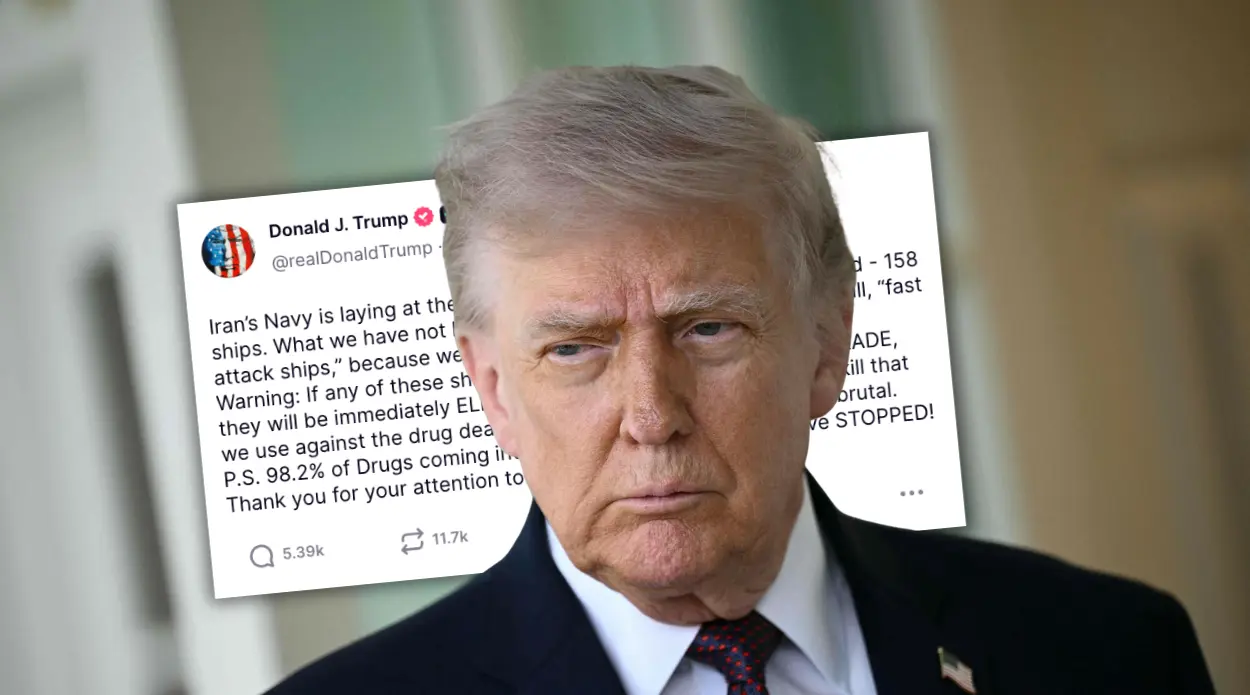
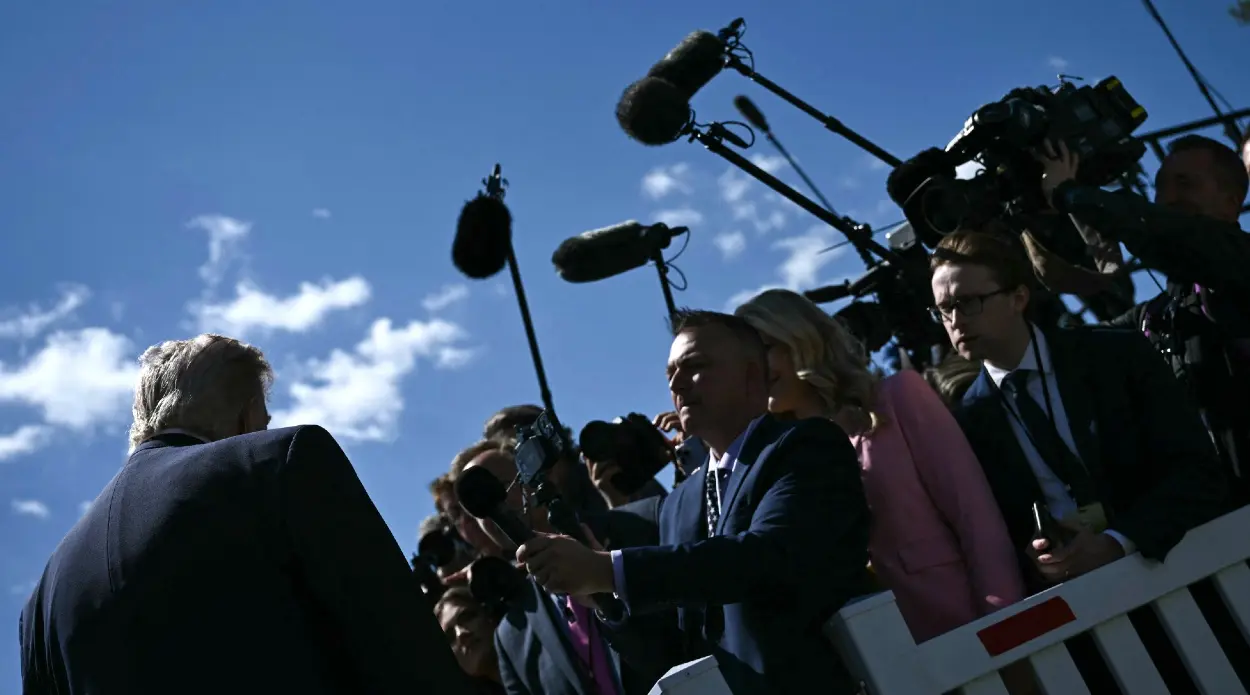
Experts point primarily to Wall Street Journal reports. Medium, citing sources from inside the Trump administration, reported that the U.S. was considering withdrawing from the war with Iran even without unlocking the Strait of Hormuz. Now the United States would only aim to destroy the Iranian navy and its missile capability. There is no talk of a regime change. After meeting these conditions, Americans would simply withdraw from the Middle East, and negotiate the unlocking of the Strait of Hormuz diplomatically or shift that responsibility entirely to Europe and the Persian Gulf states. A few hours later Donald Trump himself, speaking to reporters in the Oval Office, admitted that, according to him, U.S. troops would leave the region in two to three weeks.
Of course, a healthy dose of skepticism is needed here, because Donald Trump has been announcing a quick end to the war almost from its very beginning. Moreover, The Washington Post that same day reported that U.S. allies in the Persian Gulf, such as Saudi Arabia, Bahrain, or the United Arab Emirates, were asking Trump not to end the conflict yet. Why? They believe Iran has not been weakened enough, and the lack of a real regime change means it remains a serious threat to the region. Shortly thereafter the Wall Street Journal reported that the United Arab Emirates were even preparing to directly engage in the conflict to secure the Strait of Hormuz. Their diplomats are already lobbying for the UN Security Council to pass a resolution authorizing such actions. At the same time they are encouraging other Persian Gulf countries to join the coalition.
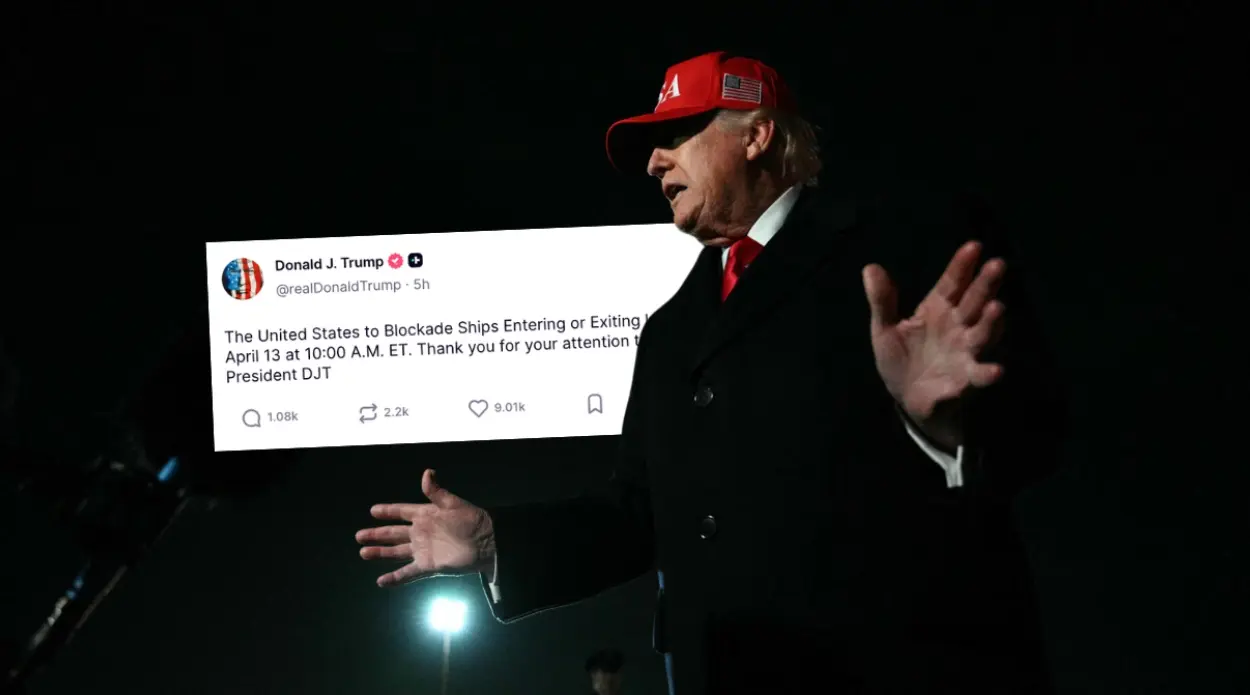
On the night from Tuesday to Wednesday, exactly at 3:00 a.m. Polish time on April 2, Donald Trump delivered the highly anticipated address to the nation about the war with Iran. It was expected that the U.S. president would deliver some breakthrough news, perhaps suggesting a quick end to the conflict, but instead, as FXMAG editor Dawid Augystyn aptly described: “we received a PR‑filled speech, adorned with Trump’s megalomania” and threats that Iran would be rolled back to the stone‑age. After the address, the gold price stopped its recent gains and fell by 2%.
However, the previously described reports are not the only reason for the rebound of gold prices at the end of March. Before they appeared, the first move in gold was already visible. Bloomberg explained this by the appearance of investors who want to take advantage of the apparent price dip. These are the so‑called “dip‑buyers.” Their actions also helped lift the metal’s price. One of the experts quoted in the text explains that the correction is a great buying opportunity for those investors who believe in further gold growth, especially after the conflict in the Middle East ends.
Gold price: Forecasts
Goldman Sachs believes that gold will rebuild its record price over the course of the year. Bank analysts think that when tensions in the Middle East subside, central banks will again return to buying the precious metal. Accordingly, experts stick to their forecast that gold will reach $5,400 per ounce by the end of the year.
A more exciting scenario was prepared by Mark Heafele, CIO at UBS Global Wealth Management. He believes that the gold price will clearly shoot up in the near future. He predicts that by the end of June this year it will reach $6,200! We are talking not only about matching the current record, but almost improving it by nearly 15% in just about three months! At the same time Haefele assumes a later correction in the metal’s price. After reaching that record level, it would slightly decline by the end of the year, stabilizing around $5,900 per ounce.
It is worth emphasizing that such high prices at the end of the year are not expected only by the UBS team. Other large banks also maintain bullish forecasts. As of March 23, analysts from both Deutsche Bank and Société Générale expected that gold could reach a peak of $6,000 per ounce by the end of the year.
Marcus Ashworth, quoted earlier in the text, has a slightly different view. He believes that even if selling pressure from liquidity needs weakens, it is unlikely that gold will return to the speculative frenzy of last year. He adds that a shift to a more balanced market with activity on both sides seems more likely. He is not convinced that banks will again go crazy with purchases. In his view, some of them might do so to take advantage of the apparent prices, but others might also sell to cover current, sizable fiscal expenses.