Nevertheless, some carriers (particularly low-cost airlines) are limiting their network of connections. The minister also reported that the Ministry of Energy monitors the phenomenon of fuel tourism to Poland (where fuel prices are relatively favorable thanks to the CPN package) for the purpose of introducing limits for foreigners.
The Ministry of Funds and Regional Policy announced that by April 6, contracts were signed for EU co‑financing of projects that use 62.0% of the available pool of funds from the EU Cohesion Policy for 2021‑2027.
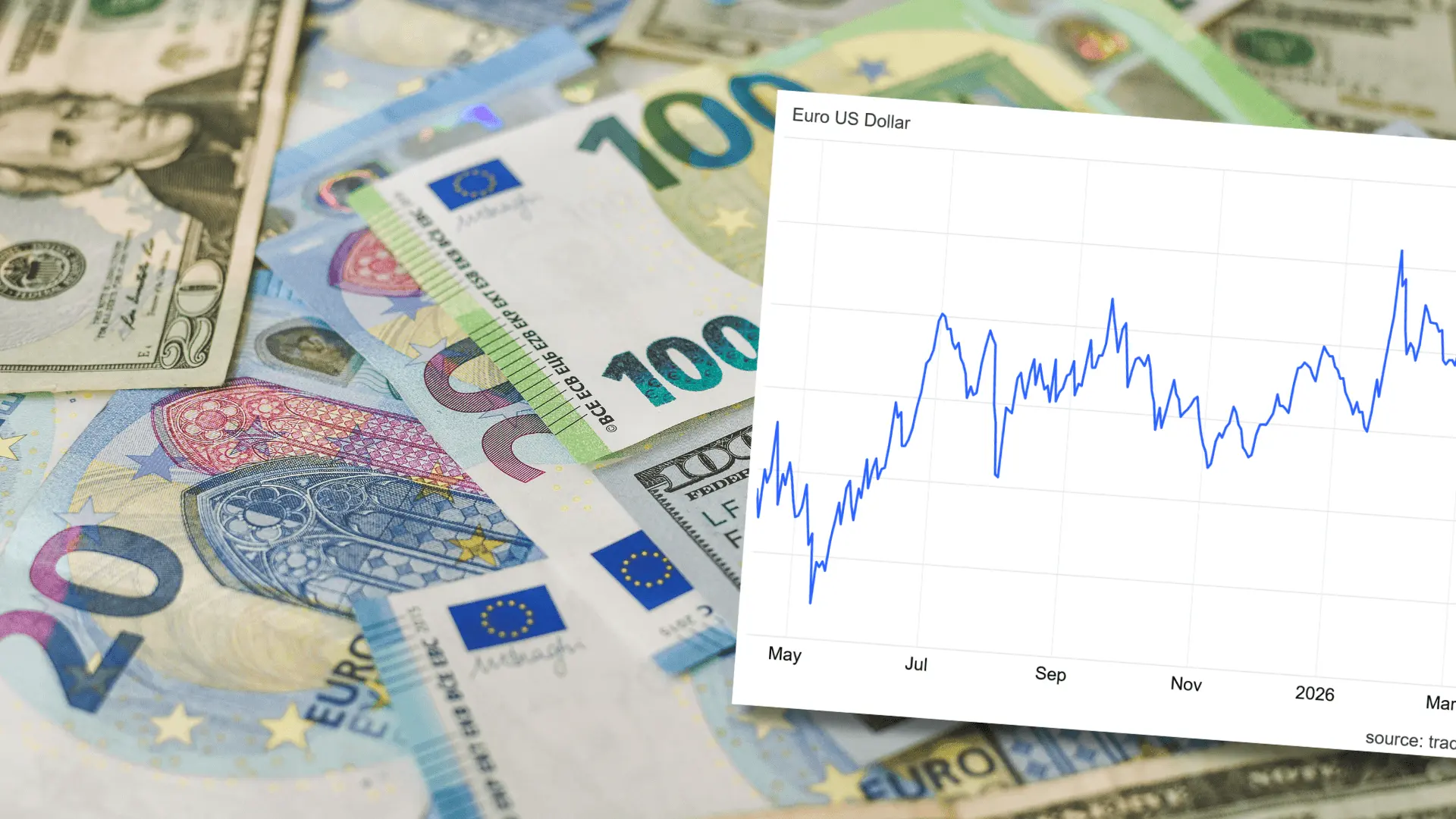
On Tuesday the zloty remained stable against the euro, while strengthening against the dollar, falling to around 3.68 on USD/PLN. In the core FX markets the dollar weakened, and the EUR/USD rate rose to about 1.1680.
The U.S. Dollar Clearly Lost Ground
On Wednesday night the U.S. dollar clearly lost ground, and the EUR/USD rose to about 1.1690, which translated into a strengthening of the zloty to about 4.2550 on EUR/PLN and 3.64 on USD/PLN.
The Tuesday session passed under the sign of waiting for developments in the Middle East. Investors were holding back from decisions before the deadline set by D. Trump regarding an agreement with Iran.
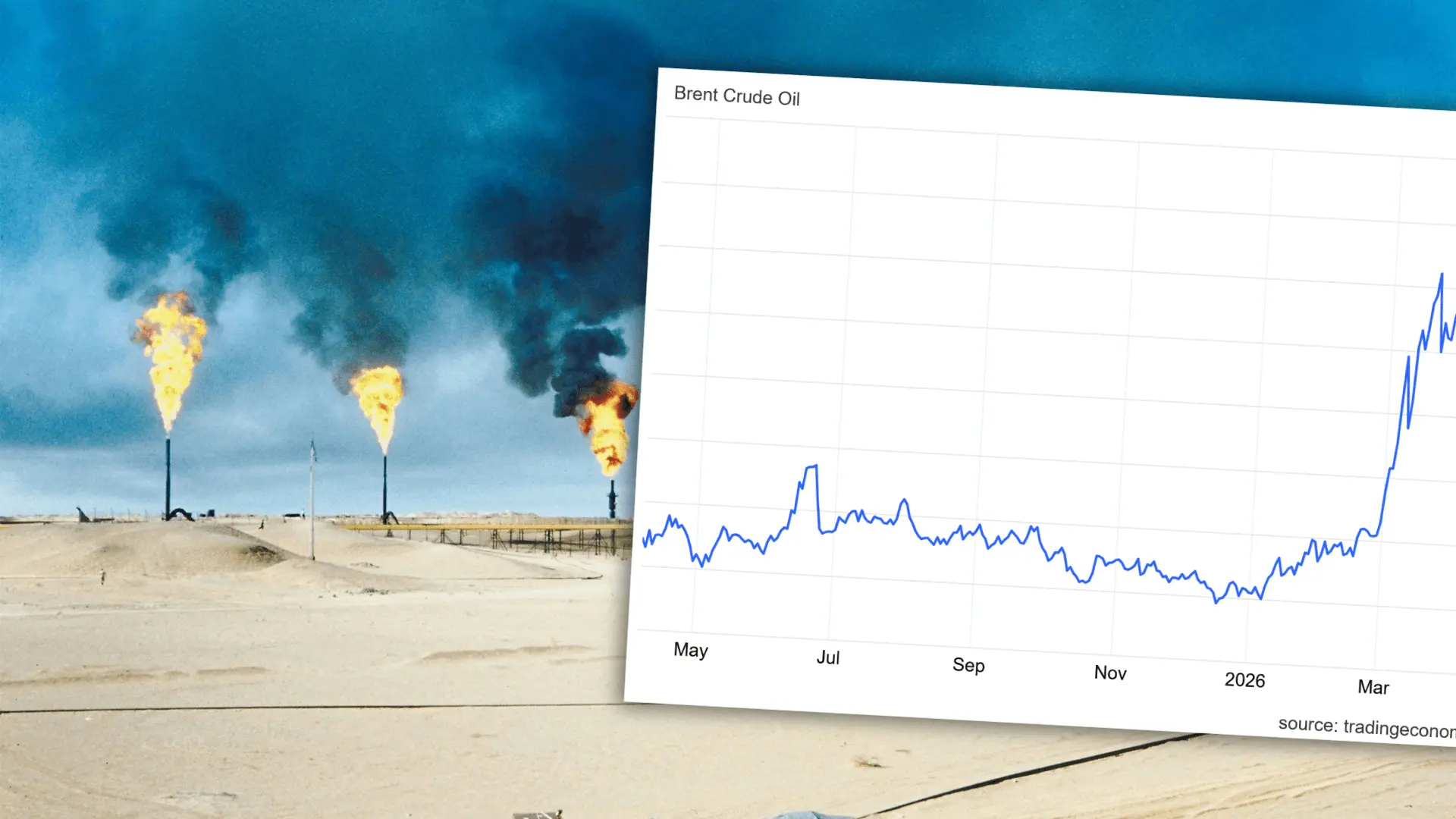
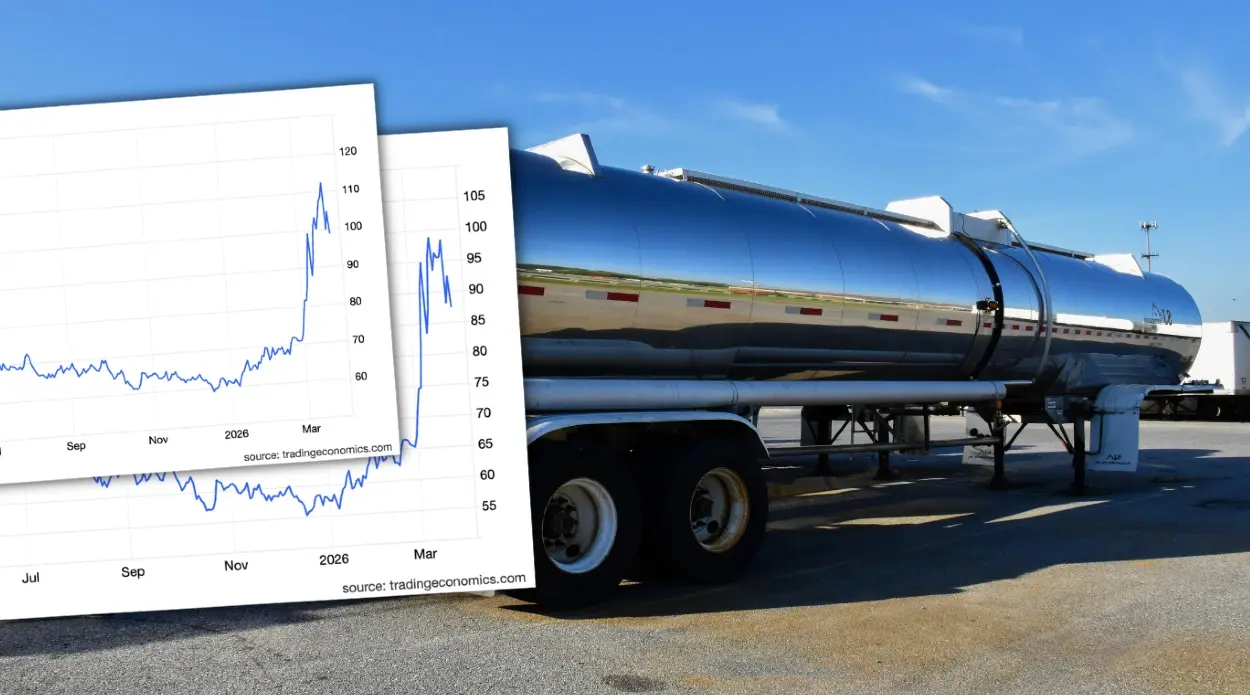
Ongoing market tension reflected Brent oil prices, which for most of the session stayed near $110 per barrel.
Published data from both Europe (final PMI readings for services in March) and the U.S. (February orders for durable goods) had no noticeable impact on the currency pairs we observed.
The Zloty Also Benefits. USD/PLN and EUR/PLN Fall
On Wednesday night risk appetite surged, and the dollar weakened to its lowest level in a month against the basket of major currencies after D. Trump announced a two‑week suspension of hostilities with Iran.
Tehran, in turn, declared that it had agreed to open the Strait of Hormuz during this period. Markets interpreted this as a step that could lead to a permanent resumption of oil and gas exports from the Persian Gulf, hence the strong reaction from investors. The zloty also benefited, strengthening against both the dollar and the euro.
Further market behavior will depend on the durability of the agreement and the course of the peace process, so we believe that the potential for further strengthening of the zloty, especially against the euro, is already strongly limited in the short term. The evening release of the March FOMC minutes, in our view, will not affect the rates due to its historical nature.
Domestic Treasury Yields Rose by 16–23bp
On Tuesday, during the first post‑holiday session, domestic Treasury yields rose by 16–23bp. In the 10‑year segment the yield increased by 20bp to 5.90%, while on the base markets U.S. Treasuries rose by 1bp to 4.34% and German Bunds by 9bp to 3.08%.
During the night from Tuesday to Wednesday the deadline set by President D. Trump for Iran, threatening military escalation in case of no agreement, passed. Despite sharp rhetoric – highlighted on social media – the European session initially did not see a strong rise in risk aversion. The market seemed to discount the current U.S. administration’s pattern of setting “final deadlines” that were revised and did not materialize as announced.
In such an environment, the rise in Treasury yields at the start of the session was moderate and partly reflected a technical counter‑reaction to strong declines in the week before the holidays. Yields rose more sharply before the end of the European session. The relative stability of the U.S. market, despite increased volatility in Treasuries, created favorable conditions for supply activity.
The Ministry of Finance used this market window to issue three tranches of U.S. dollar bonds (5‑, 10‑ and 30‑year) totaling $6 billion with spreads of +65, +105 and +130bp above the U.S. Treasury curve.
The Wednesday session carried significant risk of events related to the expiration of the deadline. With a relatively calm market stance, the U.S. decision to escalated military actions in the absence of an agreement could trigger a strong, shocking reaction in financial markets. Shifting the deadline by two weeks reduces this risk and favors yield declines in today’s session.