

Eurozone Economy: Sluggish but Resilient Amid Trade Risks
The economy remains on track to see a small improvement in GDP growth in the third quarter as uncertainty fades and big shocks to trade have been avoided


The economy remains on track to see a small improvement in GDP growth in the third quarter as uncertainty fades and big shocks to trade have been avoided

You may be familiar with the hit teatime game show Pointless. And it's got me thinking. After a surprise rate cut from Sweden's Riksbank and, as the Fed kicks off its own easing cycle, will any of it make a difference? It's complicated, of course, but hopefully entertaining. Fingers on buzzers as we look ahead to another jackpot week in financial markets

Following a second quarter still heavily impacted by the introduction of new US tariffs, early data for the third quarter points to a very mild improvement, though sectoral contributions remain uneven. Today’s confidence indicators for September appear to support this view

Gold and silver prices edged higher yesterday, driven by uncertainty surrounding Russia-Nato relations following recent airspace violations, which has kept the risk premium elevated. Continued inflow into precious metal ETFs has provided further support to the complex

Upside surprises in the final US GDP numbers and jobless claims make it difficult for markets to agree on upcoming Fed cuts. A benign PCE reading on Friday won't change that, but payrolls data next week should be more pivotal. Euro rate markets are keen to follow the bearish mood as a stronger dollar reduces disinflationary

Euro rate markets seem to react very little to downside data surprises and geopolitical headlines, which does raise concerns over complacency. Nonetheless, this trend may persist for now as attention shifts to upcoming key calendar events, particularly US data releases

LME copper prices surge to the highest in more than a year on Freeport’s force majeure

Annual growth rates of lending to households and non-financial corporates ticked up in August, which indicates that the economy continues to experience moderate support

The Swiss National Bank (SNB) kept its policy rate unchanged at 0%, as inflation remains very low and economic risks mount. Despite a weakening growth outlook, the SNB is avoiding further easing for now

The recovery in Germany’s housing market has continued, albeit at a slower pace. A combination of somewhat rising mortgage rates, increasing house prices, and slowing wage growth has weighed on affordability and dampened demand

The dollar is a little stronger as investors reassess the immediacy of a US slowdown and what it means for interest rates. One early highlight for Europe is the Swiss National Bank meeting. Hardly anyone expects the policy rate to be cut into negative territory, but the franc remains strong and the SNB could try tweaking rates on excess reserves

Following a technology-fueled surge on Wall Street, Asian stocks were trading near a record high, although shares in Hong Kong and mainland China declined. The MSCI Asia Pacific Index pulled back from its earlier highs to trade mostly flat. Stocks in Hong Kong fell 1% as the city was dealing with its most severe typhoon since 2018.

Even without ground control calling, German optimism has been brought down by a mix of US tariffs, a stronger euro and the political inability to combine fiscal stimulus with growth-enhancing reforms

Federal Reserve (Fed) doves and risk-taking investors didn't necessarily welcome Jerome Powell's cautious tone in his speech yesterday, as the Fed Chair avoided committing to a rate cut at next month's meeting. He repeated that the risks to the labour market are tilted to the downside, while inflation risks remain to the upside – a mixed picture that requires careful policy adjustment.

Consensus for PMI numbers sees a continued growth recovery in the eurozone supporting a drift higher in euro rates. A disappointment in French PMIs, however, could be a trigger for wider French government bond spreads, which we think are still on the tight side. A further recovery of German PMIs would help maintain the current positive market sentiment
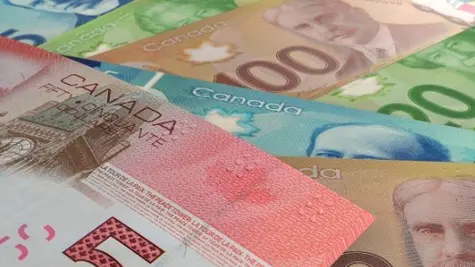
As the USD shed some post-Fed gains at the start of this week, the Canadian dollar again stood out as an underperformer. The worsening jobs market, trade uncertainty and possibility of more Bank of Canada rate cuts should keep weighing on CAD against the rest of G10, in our view. Today is PMI day, with central bank speakers (including Powell) still in focus

The composite PMI increased from 51 to 51.2 in September, indicating that the economy maintained a modest pace of growth in the third quarter

The week kicks off on a mixed note. Last week's Federal Reserve (Fed) rate cut gave markets a boost, but news that the Bank of Japan (BoJ) will begin reducing its ETF holdings unsettled global risk sentiment on Friday.

Plenty of Fed speakers this week will clarify the FOMC’s policy views after Chair Powell’s cautious remarks last week. With the Dot Plot signalling two more cuts this year, we don’t expect much support for the dollar, which is looking moderately expensive in the short-term. PMIs across developed countries and the US PCE are the other highlights this week

Have you been wondering what emoji best describes this week's Fed meeting? James Smith is doing his best to win over Gen-Z again this week, as he looks back at a curious US interest rate decision and weighs up Europe's fiscal woes. All that and more in our guide to the week ahead

We expect the Riksbank to keep rates on hold at 2.0% on 23 September, in line with expectations. Markets are pricing in a less than one-in-three chance of a cut. Rate projections may well be kept unchanged but could still suggest some possibility of another cut. Our call for now is for no more easing. Sweden's krona has room to appreciate into year-end

The Bank of Japan held rates steady, but hawkish sentiment grew with two dissenting votes. The market was surprised by the announcement to sell ETFs and J-REITs, which signalled the BoJ's firm commitment to policy normalisation. We continue to see October as the most likely time for a rate hike

Despite political uncertainty, business sentiment in France was steady in September. However, deeper cracks are emerging

Henry hub natural gas extended declines yesterday after the US reported above-average natural gas inventory injections over the last week. Total gas stockpiles remain above the five-year average, weighing on sentiment

Jobless claims dropped back sharply yesterday, a rare positive development for the US jobs market and the dollar. But we still think the greenback is due to give up its post-Fed gains in the near term. Meanwhile, the Bank of Japan surprised with a hawkish vote split as it held rates unchanged today, raising the chances of an October hike and JPY outperformance

August US nominal retail sales rose more strongly than anticipated, but volume growth remains range-bound with consumers wary of potential tariff-induced price hikes and broadening evidence of a cooling jobs market

It's tough to envisage a hawkish 25bp cut, else why do it in the first place. A dovish 25bp cut is far more likely. If Chair Powell wants to be hawkish, then better to deliver a 50bp cut. Long rates are in a mood to go along with the "rate-cutting ride" and test lower too. But rate cuts plus (likely) rising inflation present an issue for long dates to deal with ahead

Inflation is more or less at a peak, though it's likely to stay in the 3.5-4% area for the rest of this year. Rising food inflation is a particular bugbear of the Bank of England. Yet we aren't in the camp that thinks rate cuts are over, given the prospect of further progress in services inflation and wage growth

All eyes are on tonight's Fed meeting, where a 25bp rate cut is widely expected. The dollar has been selling off ahead of this event, but there are a few risks. For example, we could see short-dated US rates back up a little and the dollar get a brief bid if the Fed Dot Plots continues to show just 50bp of rate cuts this year compared to the 70bp now priced

The oil market is under pressure in the European morning, even as the American Petroleum Institute (API) reports a drop in US crude oil inventory
The dollar is drifting lower ahead of tomorrow evening's FOMC meeting. Even the market's favourite high-yield currency play, the Turkish lira, got a lift following news of a delay in a political event risk. Today's focus will be on US retail sales and perhaps Canadian CPI as well, ahead of expected rate cuts in the US and Canada tomorrow

Private sector employment fell further in August, which should help take wage growth below 4% by year-end. That keeps the door open to further Bank of England easing, though our call for a November rate cut hangs in the

Risk sentiment remains resilient and largely unaffected by factors such as French politics. While this should support EUR rates grinding higher and spreads – outside of France – still tighter, plenty of risks are looming. US rates are another directional driver, and today US data is in focus ahead of Wednesday's Fed decision

Gold continues to rally to fresh record highs amid growing expectations that the US Fed will cut rates this week. Here's what's happening in the commodity space

Amid signs of economic recovery, the decline in temporary staffing hours in the Netherlands is expected to come to a halt this year. However, an upward trend will not materialise until 2026. Market conditions remain challenging, shaped by structural labour shortages and stricter regulation. In response, the sector needs to make a strategic shift

Regional sustainable finance markets outlooks show contrasts this year. Strong momentum is observed in Asia Pacific (APAC) and Eastern Europe, while policy swings and uncertainty have led to challenges in the Americas and the rest of Europe, Middle East, and Africa (EMEA)
Wage growth came in as expected in July. It seems likely that it will remain stable at this level in the near future. However, households still prefer to save rather than spend due to weak consumer confidence

Oil prices extended last week’s gains this morning following the latest attacks by Ukraine on refineries and ports in Russia

The eurozone's trade balance edged up slightly in July, driven mainly by a drop in imports, while exports also declined modestly. Excluding the energy crisis period, this marks one of the smallest trade surpluses in the past decade

After a couple of months of stability, we look for the dollar bear trend to resume into year-end. EUR/USD should be trading up at 1.20 by that stage after three Fed rate cuts. Even though valuations look stretched in equity and credit markets, we still prefer a benign decline in the dollar and a supported environment for risk assets and activity currencies

In a quiet start to the week for FX markets, EUR/USD is trading steady despite French debt being downgraded on Friday night by Fitch. That downgrade has already been priced into French debt markets, and instead, Wednesday's FOMC meeting is set to be the dominant event for EUR/USD this week. We also have central bank meetings in the UK, Japan, Canada and Norway

Political instability and missed fiscal targets are raising doubts about France’s ability to meet EU rules and avoid further rating downgrades. Here's what's happening and how the markets are reacting

The Polish Statistical Office has revised August’s year-on-year CPI inflation upward to 2.9%, from the initial flash estimate of 2.8%. However, we estimate that core inflation eased to 3.1% YoY, maintaining its downward trajectory. We expect policymakers to deliver one more 25bp rate cut this year, in November

It has been a rocky year for the global car industry – and it's not over yet. US new car sales are slowing, and the European market remains sluggish, but strong demand in China and South America means we still expect slightly higher global annual sales. Meanwhile, carmakers are navigating tough competition on multiple fronts

We don't think markets should dismiss another European Central Bank rate cut as eurozone inflation starts to drift below target. At the same time, the prospect of recovering growth – boosted by the German fiscal situation – should keep the back end anchored higher. We therefore see steeper curves in the near term

The dollar has found a little support at the start of the week. Chinese authorities have now turned to fixing USD/CNY a little higher, which removes one of the dollar's negative impulses from last week. The highlight of an otherwise quiet session will be today's eurozone flash CPI release for August and the US ISM business confidence data

The MPC wraps up its first post-summer holiday meeting on 3 September, and we expect a 25bp rate cut as policymakers attempt to adjust the monetary stance to lower inflation. As we see inflation sustainably returning to target, we’re still pencilling in another cut later in the year, likely in November

This weekend’s OPEC+ meeting is set to be a non-event, with the group expected to keep output levels unchanged

Inflation eased in August, largely due to a one-time reduction in mobile phone fees, suggesting a rebound in September. Even so, inflation is likely to remain below 2%, supporting a Bank of Korea rate cut in October

100 days after Christine Lagarde's call for a 'global euro', Europe is eyeing its chance to make the euro the safe asset of choice. Join our expert panel for a live webinar as they discuss FX reserves, investment flows, and regulatory progress. Register here to secure your spot

Economic growth in Poland remains robust (3.4% year-on-year in 2Q) and is more buoyant than in other countries in Central and Eastern Europe. Industry is facing the same headwinds as CEE peers, and construction is stagnant while services are solidly expanding. Consumption growth should allow for near-4% YoY growth in the second half and 3.5% GDP in 2025

August’s PMI remained in the contraction zone, as supply chain issues dampened output. However, new orders increased, and confidence remained upbeat. The Czech economy appears poised to hum along smoothly, with no need for loose monetary policy

Falling unemployment suggests that the eurozone economy remains resilient in the face of global uncertainty. Modest economic growth seems realistic for the coming quarters, as the strong labour market should aid some domestic recovery

Artificial intelligence offers us a whole host of new opportunities – but with its usage on the rise, concerns surrounding safety also appear to be growing rapidly. An increasing number of incidents is now reinforcing the need for harmonised ethical and regulatory standards

Unlike financial markets, we still think the odds are tilted slightly in favour of another Bank of England rate cut in November. Nothing is guaranteed, though, and these are the key data points that will decide the fate of the Bank's easing cycle later this year

After today's Labor Day holiday, this week's US calendar is packed with labour market data, culminating in Friday's August jobs report. Elsewhere, investors don't quite know what to make of an appeals court ruling Trump's universal tariffs illegal. Could it be a story of lost revenues weighing on the Treasury market? We expect the dollar to stay soft

Strong global demand for AI boosted Korean exports in August while clearer signs of negative impact of US tariffs emerged. Looking forward, fiscal policy is likely to support growth in 2026, mitigating weak external demand and tariff shocks

Oil prices settled lower on Friday, and remain under pressure in early morning trading today, despite France and Germany pushing for secondary sanctions on Russian energy buyers

South Korean manufacturing output, retail sales, and investment increased in July. As fiscal stimulus kicks in, activity is expected to strengthen further in the third quarter. But the boost could prove temporary as tariff headwinds curb exports and increase odds of a Bank of Korea rate cut

An uptick in German inflation suggests that the risk of significant inflation undershooting is still more than overdone. At the same time, the increase weakens the case for an ECB rate cut at the September meeting

The 0.1% GDP contraction was driven by the net exports drag, partially offset by inventories and gross fixed capital formation. Consumption was flat, but could improve a bit over the rest of the year should inflation remain under control, as we believe

The decline in headline inflation to 2.8% YoY in August and further easing of core inflation would likely allow policymakers to cut rates by 25bp in September, but highly expansionary fiscal policy is expected to prompt a cautious approach ahead. Rate setters may pause in October and return to the rate cut discussion in November

The number of unemployed people has increased above the three-million mark for the first time since 2015, providing further evidence that a long period of economic stagnation eventually takes a toll on the labour market

Lisa Cook is challenging her dismissal in court, and markets are seemingly staying away from pricing in any substantial dovish shifts at the FOMC beyond what can be derived from data and Powell’s remarks. But the dollar’s downside risks have increased, even if that won’t show in the near term. Today’s focus will be on inflation data in the US and eurozone

The just-released minutes of the ECB’s July meeting show that the central bank entered the summer break with a strong feeling that the job was done and that the bar had been set high for another rate cut. Still, this wait-and-see stance had at least a touch of an easing bias

Hungary's recent labour market data shows a seasonal improvement, resulting in a record-high employment rate. The situation for employers is growing hotter as wage expectations remain high, but the economy struggles to thrive

August confidence indicators paint a picture of economic inertia, with growth momentum still concentrated in the services sector

The Bangko Sentral ng Pilipinas (BSP) lowered its policy rate by 25bp to 5.00%, signalling a neutral stance amid stable inflation and slowing – but resilient – growth. While the easing cycle is nearing its end, one final rate cut this year remains likely, given our view of weaker GDP growth in the second half of the year

Wednesday saw no further progress in the administration's removal of the Fed's Lisa Cook. The FX environment remains choppy, but we note the continued low fixings in USD/CNY – seemingly a move by Beijing to preserve the purchasing power of households and boost consumption. Elsewhere, healthy car sales data in Germany can provide some support to the euro

The Bank of Korea held policy rates at 2.5%, with a dissenting vote raising expectations for an October rate cut. The BoK’s cautious growth view also suggests more rate cuts may be on the way in 2026

The thing about the Lisa Cook affair is it's laced with legal grey. We make the simple apolitical assumption, from a market’s perspective, that Ms Cook will be replaced. Tough to undo what's been done, and an extrapolation of these circumstances result in a steeper curve from both ends. The front end does not care. The back end cares a lot (or at least should)

Although real wage growth was strong in June, it has not yet returned to the double-digit levels seen in previous years. We expect negative perceptions of household finances to persist. Weak consumer confidence continues to be a problem for the economy

It’s becoming increasingly clear that Trump’s dismissal of Lisa Cook is not going to have a big short-term FX impact. The implications may only play out in the longer run, as the current focus remains more on data. French politics also appears to be treated with plenty of caution by the currency market. We think EUR/USD can stabilise today

French politics is injecting uncertainty into eurozone bond markets, but the spread widening remains more confined to French bonds for now. Long-end yields globally have felt supply and fiscal pressures, yet the challenge to central bank independence puts a unique focus on the US curve

Oil prices came under pressure as US secondary tariffs on India come into effect, taking the total levy to 50%

Having enjoyed a brief session on Friday of unalloyed joy as Fed Chair Jerome Powell hinted at a September rate cut, financial markets may now face some uncertainty on political developments in France and the US. We're still happy with a bearish story for the dollar, but it might have to be the more defensive Japanese yen or Swiss franc which takes the lead now

South Korea’s latest fiscal stimulus contributed to improved consumer sentiment and greater growth momentum. But these effects may prove temporary. Even so, the Bank of Korea will stand pat later this week, as it focuses more on housing prices.

I strongly invite you to check these two pieces to spot how strong the reactions are after the dovish speech from Powell:

Retail sales in July rose by 4.8%YoY in Poland, rebounding from June’s weaker 2.2% figure. The June dip was a one-off weakness and most likely reflected a temporary shift in consumer spending from goods to services, driven by increased travel and hospitality outlays during the Corpus Christi long weekend

The ongoing improvement in business sentiment reflects the strong belief in the healing nature of fiscal stimulus
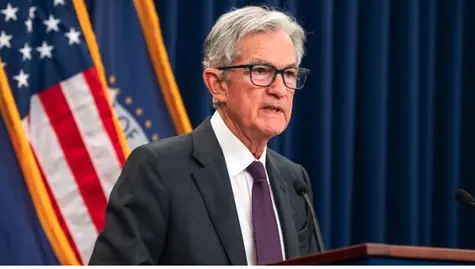
Federal Reserve Chair Jerome Powell’s speech at Jackson Hole provided a boost to most risk assets, including large parts of the commodities complex. Yet, uncertainty over a Russia-Ukraine peace deal and the risk of tougher sanctions hang over the market
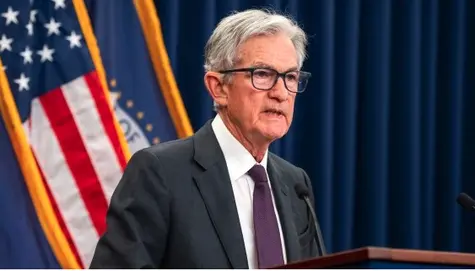
Chair Powell could have been super balanced, or even hawkish. But he effectively chose to endorse the market discount for a rate-cutting phase ahead. It's had quite the reaction. Risk assets are up, the dollar down, so's the front-end yield. Watch longer tenor yields though - the deep thinkers of the bond market, and not quite convinced cuts are all good

Although Europe faces significant housing shortages, residential construction is unlikely to rise this year. Permits for new homes are increasing, but growth remains slow. The infrastructure sector continues to grow, but significant gains from the new NATO agreement are unlikely

Our latest ING Consumer Research survey sheds light on what European consumers are worried about – and what they believe governments should prioritise in spending

The dollar is drifting higher ahead of a key speech from Fed Chair Powell today. Driving that has been some slightly better business confidence data, questioning whether the Fed needs to cut in September. We doubt the dollar has to rally too much further. Behind the scenes, it seems that foreign central banks are quietly leaving the US Treasury market

A full reversal of previous US front-loading effects has pushed the German economy back into recessionary territory, and it looks increasingly unlikely that any substantial recovery will materialise before 2026

In August, France’s business climate index remained stuck at 96 for the third consecutive month. While stable, it continues to hover below its long-term average, a sign that the economy is holding its breath rather than gaining momentum

The Bank of Korea is expected to leave rates unchanged, while Bangko Sentral ng Pilipinas is seen easing. Other highlights include Tokyo inflation, India’s second-quarter GDP and China’s industrial profits

Oil prices are set to finish this week higher as hopes for an imminent ceasefire between Russia and Ukraine fade

Japan’s July consumer price inflation data was broadly in line with the market consensus. Headline inflation slowed thanks to falling energy and utility prices. Yet, core prices remain sticky and well above 3%. We believe core price trends will prompt the BoJ to hike rates as early as October
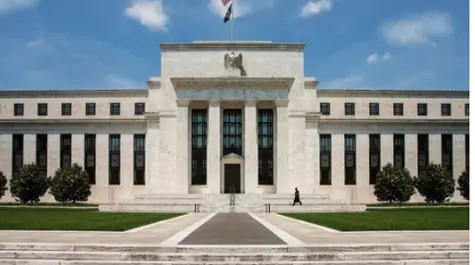
In September 2019, the system creaked as the Fed had gone too far with bank reserves reduction. We're facing a similar challenge in the coming months as the Treasury replenishes its cash buffer. We identify a range from $2.5tr to $3tr within which bank reserves can settle, likely at the upper end. And if there's an issue, the Fed can always rebuild them
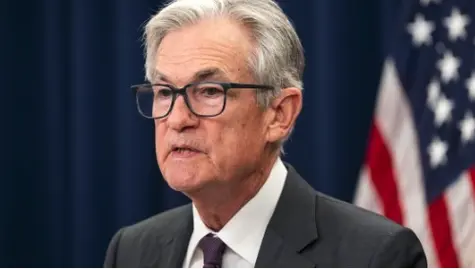
Chair Powell does not have to pretend to maintain a degree of hawkishness as the recent data in fact supports such a stance. The next FOMC is still a month away; plently of time to pivot. Good eurozone PMIs support the idea of a cyclical upswing, which would put more upward pressure on the belly of the curve as it raises the probability of an ECB hike in 2026

The EU and the US have just released the so-called 'Framework Agreement', offering more binding details on the arrangement reached four weeks ago in Scotland

July's macro data bolsters the case for the National Bank of Poland to continue its monetary easing path. Growth in industry remains slow, construction is still stagnant, wage increases have eased, and the employment decline has deepened. We expect a 25bp cut in early September, with the policy rate falling to 4.25% at the end of 2025 from the current 5.00%

The small increase in the composite PMI from 50.9 to 51.1 indicates that the eurozone economy continues to weather global storms quite well. Improvements in new orders and increased hiring add to a picture of accelerating growth, but a muted pace seems likely given significant downside risks to the outlook
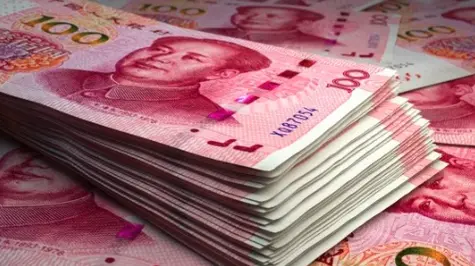
The release of the July FOMC minutes failed to move the needle on the dollar story. What is interesting is the continued strong performance of Chinese assets, with the benchmark CSI 300 equity index up 5.9% this month in dollar terms and the PBoC's USD/CNY fixing at its lowest since last November. Investor appetite for EM is typically a dollar negative

The FOMC minutes seem to be from a different time, pre the payrolls revisions; but can still embolden Powell on Friday. Gilt yields came down on the day of hotter CPI numbers suggesting a possible peak. Having said that, with Autumn Budget discussions kicking off, volatility is likely to remain. Meanwhile, the path for the 10y euro swap rate is still up
Earlier in August, we published our monthly FX update. That was centred around the view that the last line of defence for the dollar – a resilient jobs market – had started to capitulate with large payrolls revisions. In this note, we discuss our latest thinking and why we are looking for 1.20+ levels through 2026

Bank Indonesia (BI) delivered a surprise second consecutive rate cut, signalling a clear focus on growth despite recent strong data. With inflation still below target and US Federal Reserve easing expected from September, we now see BI front-loading its final 25bp cut to the fourth quarter of this
In a quiet week for FX markets, the dovish rate cut from the Reserve Bank of New Zealand overnight shows the importance of spare capacity in the economy as the central bank looks through a short-term rise in inflation. It looks like it's going to be a quiet day in G10 FX, although sterling and the Swedish krona will be reacting to CPI and the Riksbank