
EUR Under Pressure as Risk Sentiment Sours; CEE Currencies in Focus
EUR/USD continues to grind lower as it has for the last week. Rate differentials have not moved much at all this week and in fact have been mildly supportive for EUR/USD.


EUR/USD continues to grind lower as it has for the last week. Rate differentials have not moved much at all this week and in fact have been mildly supportive for EUR/USD.

The risk mood has darkened a little this week, with some sizeable corrections emerging in some equity markets. There has not been one catalyst per se, but lofty valuations must be leading to some profit-taking in uncertain conditions. For today, it's all about the US ADP jobs release and what it means for the December Fed meeting. Expect FX to stay defensive

Increased Chinese competition within Europe and in third markets has been a trend that restarted with Covid, and may intensify now as a result of global trade tensions. While stronger Chinese competition can potentially mute eurozone inflation and GDP growth, it is also likely to aggravate problems in key industries
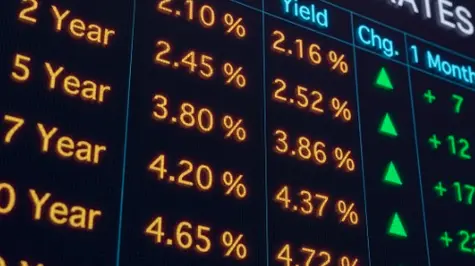
Treasuries are treading water, and really should have performed better on a risk-off Tuesday. But the 10yr seems content at above 4% for now. The 2yr has more open road to trek back down to 3.5%. Wednesday’s refunding announcement should be a box-ticking exercise. The plumbing of the money markets is where all the drama is - keep an eye on it

The National Bank of Poland (NBP) has repeatedly warned of upside risks to inflation over the medium term, but this has not prevented the central bank from cutting rates as inflation moderates. Rate-setters have cut rates at each policy meeting since July, and we expect another 25bp cut on 5 November

Yesterday's PMI showed a mixed picture in the region, with the Czech Republic's lower-than-expected, while Poland and Hungary surprised with higher-than-expected readings. Inflation in Turkey surprised the market lower (2.6%/32.9%), in line with our estimate, and inflation returned to a declining trajectory.
The slew of post-meeting ECB speakers has added little to the policy narrative. The Governing Council is broadly on the same page with the rates view, and the feeling is that some substantial data surprises are now needed to create new division among policymakers.

FX markets are struggling to find direction this week. The Fed’s doubts on whether to cut in December naturally increase scrutiny of data: this means both depressed volatility during data silence and some potential exacerbation of USD reaction to any labour indicator (like tomorrow’s ADP). Our call remains that the dollar is close to its peak

US Treasury yields look like they want to nudge higher when they can. And why not, as corporate earnings are firm, and hard macro data is being kept under shutdown wraps. New lows in euro rate volatility help spreads on European government bonds (EGBs) tighten further. Given the spread tightness, Bunds look increasingly attractive as a risk hedge

The ISM manufacturing index suggests that the US industrial sector remains under pressure from weak growth and tariff-related uncertainty. The one consolation is that inflation pressures appear to be easing, but the Fed hawks will want to see broader evidence of this before backing a December rate cut

The UN climate conference in Belém has ignited a fierce debate and highlighted serious climate policy hurdles, before it has even begun. Despite these challenges, we see COP30 as a pivotal opportunity for meaningful boardroom conversations on carbon markets, sustainable finance and renewables

Conditions in manufacturing have deteriorated for the fourth consecutive month, which can undoubtedly be viewed as a negative signal for the economy when looking ahead. Although below the expansionary threshold, the PMI is nowhere near the depressed 2023 levels. Should the hard times continue, an adverse effect on growth in 2026 is a possibility

Affordability in the German real estate market remains strained. However, the recent surge in rents and a low homeownership ratio should still support the market

The Bank looks likely to keep rates on hold on 6 November, despite better inflation and wage news. The committee is deeply divided, and we don't expect clear signals on the Bank's next steps. But assuming the Autumn Budget goes as expected, a December rate cut now looks more likely than not

The dollar remains bid as the market continues to question whether the Fed needs to cut rates to 3.00/3.25% after all. Also helping the dollar may be tight money market conditions as the US Treasury restocks its cash balances. In the absence of official data, the focus this week will be on insights into the US job market from private sector releases
Oil prices are trading stronger this morning after OPEC+ decided to keep output levels steady over the first quarter of next year. However, this could change given the uncertainty on Russian oil flows following US sanctions

South Korean exports increased in October despite fewer working days due to the Chuseok holiday. US tariffs had a clear negative effect, but robust semiconductor and vessel exports offset the impact. With the trade agreement concluded, improved export conditions are expected to support growth in 2026

Italy's October inflation numbers show a marked deceleration. This is very much an energy and fresh food story, against stable core inflation. As we don’t expect an imminent change to the pattern, we're trimming our forecast for average 2025 headline inflation to 1.6%

The Riksbank and the ECB are both in a 'good place'. However, the risks that rates will be lowered again in Sweden are even lower than in the eurozone, as the growth outlook continues to improve and the Riksbank already took rates below 2% in September. We don't expect any new guidance at this meeting, and the krona's outlook remains good into 2026

CPI inflation moderated below both our expectations and those of the market in October, thanks to a lower core rate, making yet another 25bp rate cut in November highly probable. Our baseline scenario had assumed a pause in monetary easing, but given Poland's ongoing disinflationary trend, we're bracing for another 25bp rate cut next week